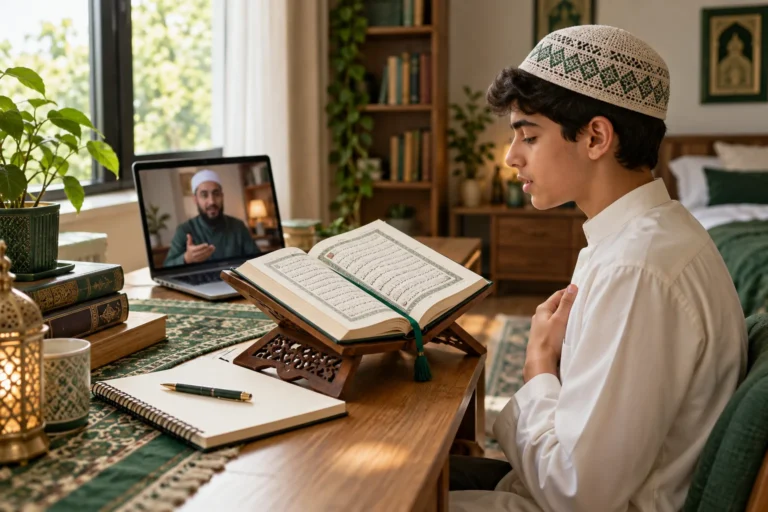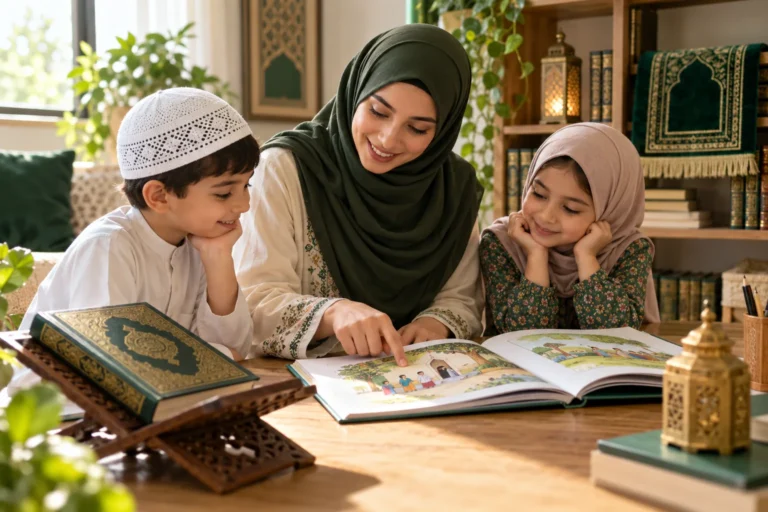
There is no single perfect number of Quran classes for every child. The right frequency depends on the child’s age, current level, concentration, goals and the amount of practice possible between lessons.
One class per week
This may suit a child with a busy schedule or a family looking for light, steady exposure. Progress is usually slower, so regular home practice becomes especially important.
Two classes per week
Two weekly lessons often provide a good balance for Quran reading and basic Tajweed. The gap between lessons is short enough for the teacher to correct mistakes before they become habits.
Three classes per week
This schedule can work well for students who want faster progress in reading, Tajweed or memorization. It also allows new material and revision to be divided more comfortably.
Four or five classes per week
More frequent lessons may suit intensive Hifz goals or students who benefit from strong routine and close teacher follow-up. The workload should still remain appropriate for the child’s age and school commitments.
Lesson length matters too
Frequency should be considered together with duration. Shorter, focused lessons can be more effective for younger children than fewer very long sessions.
Consistency is more important than intensity
A sustainable schedule that the child can maintain is better than an intensive plan that quickly becomes exhausting. Review the schedule as the student progresses.
Muruj offers flexible one-to-one Quran classes for kids with 30, 45 and 60-minute lesson options.
Ready to build a clear learning plan?
Start with a free level assessment and get a learning path matched to your level and goals.