Muruj Al-Quran · Kids · Arabic Language
Online Arabic Classes for Kids
Live, age-aware Arabic lessons that help children listen, speak, read, and write Modern Standard Arabic with growing confidence.
For children learning Arabic outside an Arabic-speaking classroom, lessons begin with a friendly level check. The teacher builds useful language through pictures, short conversations, stories, and guided writing at your child’s pace.
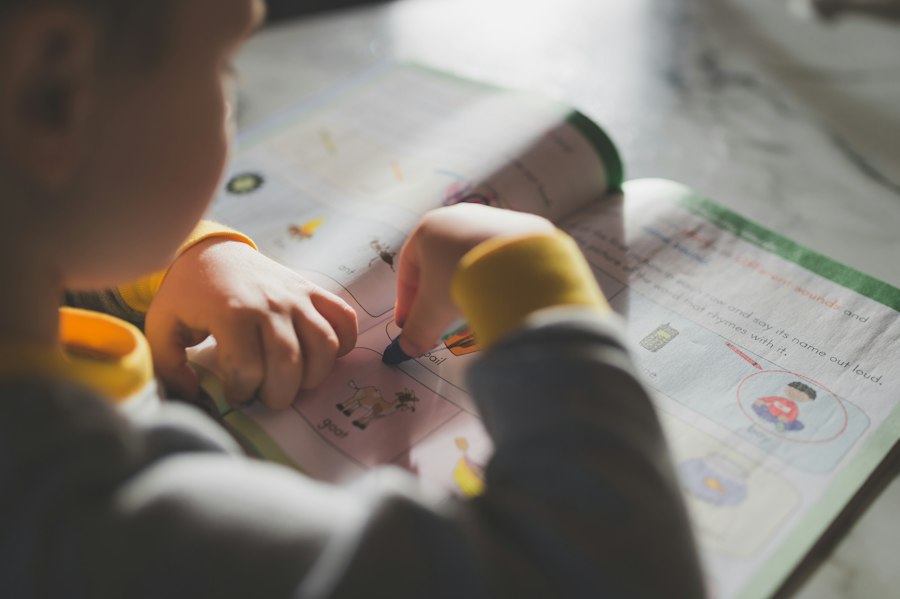
Four connected language skills
What your child will learn to do
A child needs opportunities to use Arabic, not only recognize it. Activities change with age and starting level.
Listen and understand
Follow familiar classroom language, identify words in pictures and stories, and respond to short questions.
Speak in simple sentences
Use greetings, describe everyday objects, ask and answer questions, and take part in short role-play.
Read meaningful Arabic
Connect letters and sounds to familiar words, then read short sentences and age-appropriate stories for meaning.
Write with purpose
Form letters and words, label pictures, complete short sentences, and gradually express an idea in writing.
Grow useful vocabulary
Practice language for family, home, school, food, colors, animals, and daily routines in new situations.
Understand and express
Retell a short story, describe a picture, and explain a choice at a level suited to the learner.
A flexible Arabic language pathway
From first words to confident expression
This is a language course. The starting point and pace follow your child’s age and current ability, with small, observable milestones.
1. Hear and say
Letter sounds in everyday words, listening games, greetings, and short spoken responses.
2. Build words
Common vocabulary, letter forms, simple reading, and guided handwriting with meaning.
3. Use sentences
Questions and answers, picture descriptions, short dialogues, and basic sentence patterns.
4. Read and create
Short stories and informational texts, comprehension questions, and age-appropriate writing.
Children who already know the alphabet can enter at a later stage after the teacher’s assessment.
Lessons children can join in
How a live Arabic lesson works
Parents can ask what was covered and how to support a few minutes of relaxed practice between classes.
When a child hesitates
- Understands but does not speak: begin with choices and sentence starters before open questions.
- Forgets new words: revisit them in pictures, stories, and real-life contexts.
- Can decode but not understand: discuss the picture and meaning before and after reading.
- Writing feels difficult: move from tracing and labeling to short independent sentences.
Progress and recognition
Celebrate Ahmed’s Arabic learning
The teacher looks for practical progress in listening, speaking, reading, and writing. A completion certificate can recognize the agreed course goals when they are achieved.
What can be reviewed
- Understands and answers familiar Arabic questions.
- Uses everyday words in short spoken sentences.
- Reads suitable words and short passages for meaning.
- Writes words and short sentences with increasing independence.
This certificate names Ahmed and his teacher, Dr. Hani El-Kahel. Each learner’s progress is assessed individually.
Ask About a Free Trial
COURSE
COMPLETED
This certificate is proudly presented to
for successfully completing
Online Arabic Classes
for Kids
Family feedback
See what parents say about Muruj
Read independent feedback about the academy’s teaching and support. Reviews cover different programs and may not describe this Arabic course.
Read Muruj Reviews ↗Where this course fits
Arabic language: conversation, comprehension, everyday vocabulary, stories, reading, and writing.
Quran Foundation introduces letters and sounds for Quran reading; Quran Reading develops reading Quranic text. Tajweed, Hifz, and Islamic Studies have their own learning goals.
Common questions
Before your child starts
Can a complete beginner join?
Yes. The teacher checks what your child understands and can say, read, and write, then chooses a suitable starting point.
Is this Modern Standard Arabic or a spoken dialect?
The main path uses Modern Standard Arabic (Fusha), with practical spoken activities appropriate for children.
Will the course teach Quran recitation?
This course focuses on Arabic as a language. For Quran reading, Tajweed, or memorization, choose the corresponding dedicated course.
Are lessons suitable for children outside Arabic-speaking countries?
Yes. Lessons can begin with familiar situations and visual support for children with limited exposure to Arabic.
How long and how often are classes?
Choose suitable class duration and frequency with the team after the level check. See current options on the Kids page.
Start with a free trial
Help your child use Arabic with confidence
Tell us your child’s age, current Arabic experience, and goals. We will suggest a practical starting point.