You can read, but the rules feel confusing
Begin with an example you can hear. Learn a useful term after understanding what changes in your recitation.

Start with a sound you can hear, a correction you understand, and a short verse you can practise.
Build your first Tajweed habits with a teacher who listens to your recitation and guides you step by step. For children and adults who can read Quranic words and want a clearer introduction to recitation.

Move from recognising a word to noticing how it should sound in recitation.
You will begin understanding Tajweed, hear selected Arabic sound contrasts, distinguish introductory heavy and light sounds, and apply teacher-led corrections in short passages. Lessons pair a simple explanation with time to recite aloud.
Begin with an example you can hear. Learn a useful term after understanding what changes in your recitation.
Your teacher listens to suitable text, checks the main difficulty and recommends foundation practice or another reading stage.
Work on a manageable sound or habit, repeat it and return to the verse with direct feedback.
Still learning Arabic letters or connected words? Start with Quran Reading classes. Already comfortable with introductory Tajweed? Explore the focused Tajweed courses.
The order and amount of practice follow your assessment. Earlier reading skills are reviewed only where they affect the task.
Learn what Tajweed means: giving letters their due during Quran recitation. Hear a correct model and understand why a sound needs adjustment.
Progress check: Explain the purpose of Tajweed in simple words and follow a teacher's demonstration.
Compare sounds that are easily confused by non-Arabic speakers, then repeat a selected sound in a word. This introduces articulation awareness without replacing the dedicated Makharij course.
Progress check: Hear a selected contrast and produce it more clearly with feedback.
Practise introductory Tafkheem and Tarqeeq through contrasts such as س / ص and ت / ط. Your teacher demonstrates how the sound changes; detailed characteristics and conditional rules come later.
Progress check: Recognise the contrast and avoid making every letter heavy.
Review short vowels, Sukoon and Shaddah as needed. Hear the difference between a short vowel and natural Madd, and practise a simple Ghunnah example under guidance.
Progress check: Keep the selected sound or length more consistent without adding an extra vowel.
Move from a modelled word to a suitable phrase in Al-Fatihah or a short surah. Recite, receive one focused correction, then try the same skill in a fresh example.
Progress check: Use the practised skill in context with fewer prompts.
Revisit difficult sounds, explain the correction you are practising, and recite suitable fresh text. Your teacher recommends the next focused Tajweed course according to the remaining need.
Progress check: Show readiness for the next stage through listening and recitation, not a written quiz alone.
Lessons create a short loop between explanation and application, so the rule becomes something you can use.
س / ص · ت / ط
Listen to your teacher's model, identify the difference, repeat the sound, and try it in an appropriate Quranic word.
This is an introductory practice example. The teacher selects the sound and passage for your level.
Your teacher hears your current reading and identifies the main point to practise.
Understand the correction through a demonstration and a brief explanation.
Practise the word before applying it in connected recitation.
Know which phrase to revisit and which improvement to focus on before the next class.
| The difficulty | The practice | What your teacher checks |
|---|---|---|
| Similar Arabic letters sound the same | Listen to a contrast, repeat each sound and try it in a word. | Whether you hear and reproduce the selected difference. |
| Every letter sounds heavy | Compare selected heavy and light sounds without exaggeration. | Whether the contrast stays clear in a short phrase. |
| Extra vowels appear after Sukoon | Slow down the word and model the ending carefully. | Whether you keep the intended sound without inserting a vowel. |
| You know a rule name but forget it while reading | Mark one target in a short passage and recite it with feedback. | Whether you apply the correction beyond the isolated example. |
| Long lists of terms feel overwhelming | Use one brief explanation, one sound model and one practice target. | Whether you can explain the target and attempt it with fewer prompts. |
Your teacher recommends materials after listening to you. A book supports the practice; live listening and correction remain central.
The main text for practising selected words and short passages. Agree the edition and recitation with your teacher so the examples stay consistent.
Noor Al-Bayan or Noorani Qaida exercises may help repair a specific reading gap. A full alphabet or Qaida programme belongs to the Quran Reading pathway.
Teacher-selected Tajweed charts and, where appropriate later, Tuhfat Al-Atfal can support systematic study. Memorising the full poem or Al-Jazariyyah is outside this introductory stage.
Completion follows your agreed targets and teacher assessment. Reading familiar text from memory alone does not show that a new recitation skill is secure.
Your teacher listens to practised and fresh examples, checks whether the improvement carries into a phrase, and notes the sounds that still need attention.
You can continue focused practice or move into the most useful specialised Tajweed course. The goal is steady, usable progress.
Discuss Your Learning GoalMuruj offers male and female Quran teachers. Matching considers the student's age, level, preferred language and available class times.
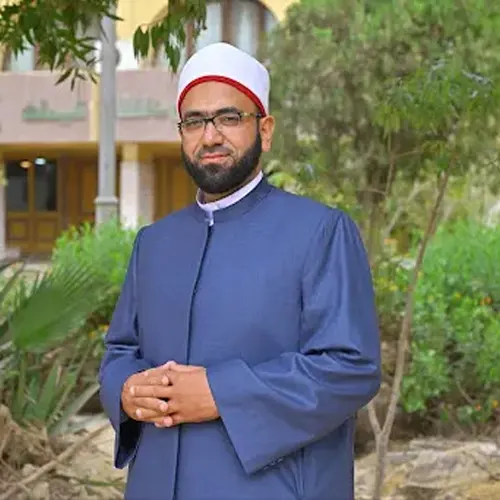
الدكتور هاني الكاحل
Quran, Tajweed & Islamic Studies teacher
Ask questions, repeat a difficult sound and work at a pace suited to your current reading. Parents can share the child's needs when booking.
Students in the USA, UK, Canada and Australia can discuss suitable local lesson times. Availability is confirmed by the academy.
“Very supportive teacher, quite helpful in teaching different rules of tajweed and pronunciation. Balance between memorising and reading.”
Ahmed Farooq · Australia · 17 August 2026
Read the original review on Trustpilot ↗A review of learning with Muruj and Sheikh Hany; it is not a review of this specific foundation course.
Recognise the student's dedication at the end of the agreed foundation work. This course certificate is separate from an Ijazah programme.
CELEBRATING DEDICATION & PROGRESS
شهادة تقدير
This certificate is proudly presented to
In recognition of her dedication and successful completion of
Tajweed FoundationsMay Allah bless your learning and make the Quran a light in your life.
Introductory listening, sound awareness and first guided applications.
Detailed articulation points, Sifaat and focused letter production.
Explore this skill →Systematic Izhar, Idgham, Iqlab and Ikhfa practice.
Explore this skill →Focused Meem rules, sound clarity and Qalqalah application.
Explore this skill →Elongation categories and appropriate stopping and resuming.
Explore this skill →Bring the rules together across selected surahs and passages.
Explore this skill →Related goals: Quran Memorization, Arabic Language and Ijazah preparation each follow their own learning path.
It is Muruj's introductory Tajweed stage for learners who can read Quranic words or short passages but are new to systematic recitation practice. It combines clear explanations, listening, repetition and guided application.
You do not need conversational Arabic, but you should be able to read some vowelled Quranic text. If you are still learning letters or joining words, begin with Quran Reading. Your free trial checks the right starting point.
Yes. The teacher adjusts explanations, passage length and practice to the learner's age and reading ability. Children can work with shorter examples; adults can discuss their specific recitation difficulties.
This stage introduces the habits needed to start applying Tajweed. Full Makharij and Sifaat, Noon Sakinah and Tanween, Meem Sakinah and Qalqalah, and Madd, Waqf and Ibtida have focused courses within the Tajweed pathway.
Reading correction works on decoding letters, vowel marks and words accurately. Tajweed Foundations introduces how those readable sounds should be delivered during recitation, with listening and guided practice.
Yes. The course is intended to make a beginner's Tajweed practice accessible to non-Arabic speakers. Tell Muruj your preferred language when booking so the team can arrange a suitable teacher.
The pace depends on your reading ability, lesson frequency, practice and the sounds that need correction. The teacher assesses your starting point and reviews readiness for the next stage; there is no fixed completion guarantee.
A clear vowelled Mushaf is the main practice text. Selected Noor Al-Bayan or Noorani Qaida exercises can address a reading gap. Tuhfat Al-Atfal can support later systematic rule study when the teacher considers it appropriate; this is not a full poem-memorisation course.
Yes. Share your preference in the free-trial form. Teacher matching depends on availability, level, age and suitable class times.
Repeat the teacher-assigned word or phrase, then recite it in its short passage. Focus on one agreed correction and avoid copying an unfamiliar recording without checking it with your teacher.
A course certificate recognises completion of the agreed foundation work and teacher assessment. It is distinct from an Ijazah or a Sanad and does not grant teaching authorisation.
Notify the academy through the official WhatsApp group at least one hour before class. Late cancellation and no-show classes are counted. Eligible make-up classes are arranged outside regular times within 30 days; emergencies are considered by the academy.
Discuss 30, 45 or 60-minute one-to-one lessons and a weekly schedule with the academy. Ask about current packages and the 30% ongoing discount when booking.
Use the official WhatsApp group for schedules, payments and reports. The academy confirms your fixed Zoom link and any changes.
View Muruj's Pricing PlansRecite a short passage, meet a teacher and receive a recommendation for your starting point.